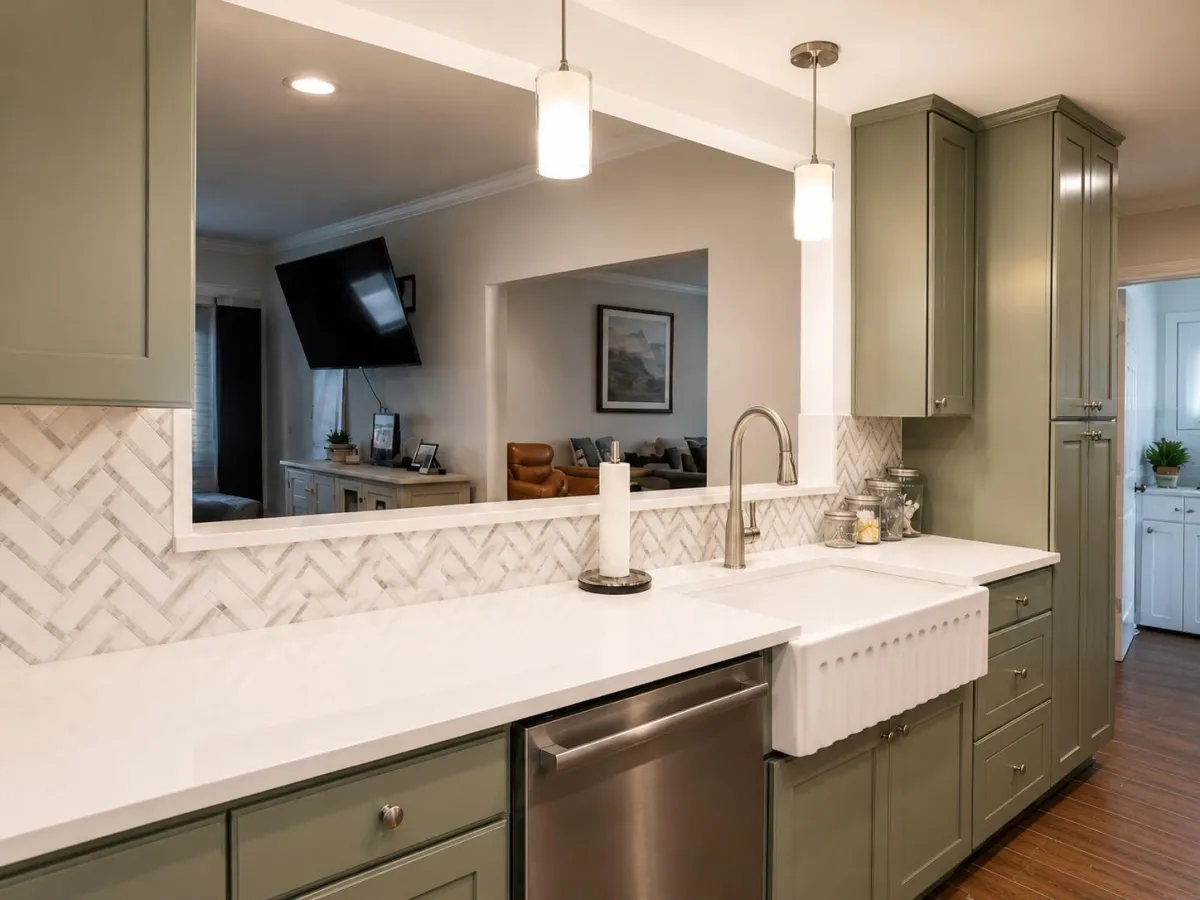
How Much Should You Really Spend on a Kitchen Remodel?
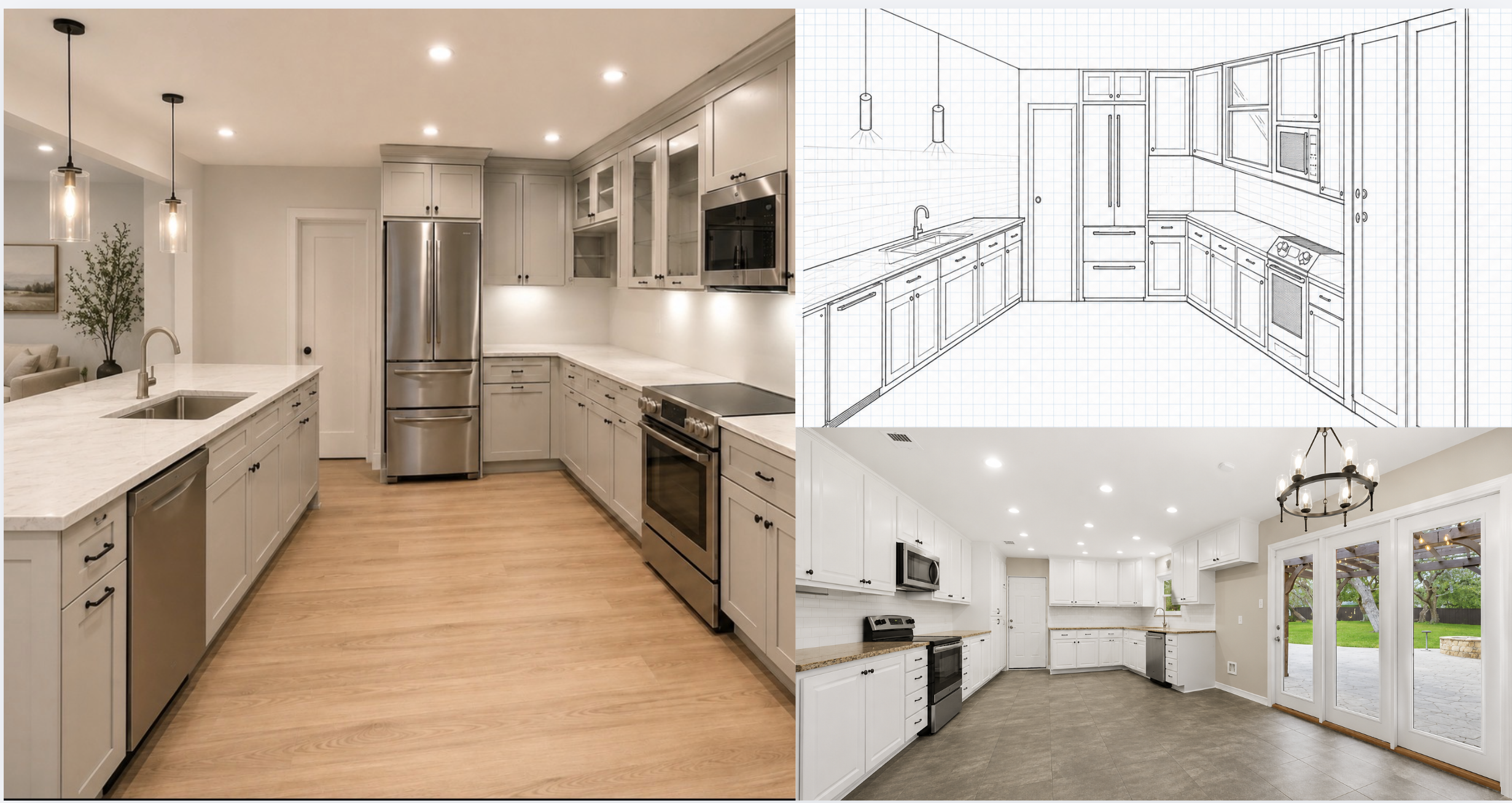
How Much Should You Really Spend on a Kitchen Remodel?
Kitchen remodel pricing can be confusing because the words “kitchen remodel” can describe completely different projects.
One homeowner may only need cabinet paint, new hardware, and a few updated fixtures. Another may want to remove a wall, relocate the stove, add an island, replace the cabinets, and move plumbing through a concrete foundation.
Those projects should not have similar budgets.
Based on our experience working with homeowners in San Antonio and surrounding areas, the biggest factor is not simply the size of the kitchen. It is how much of the existing layout and infrastructure must change.
What Does a Kitchen Remodel Cost in San Antonio?
Every home is different, but these are realistic starting ranges for a regular-sized kitchen in our market.
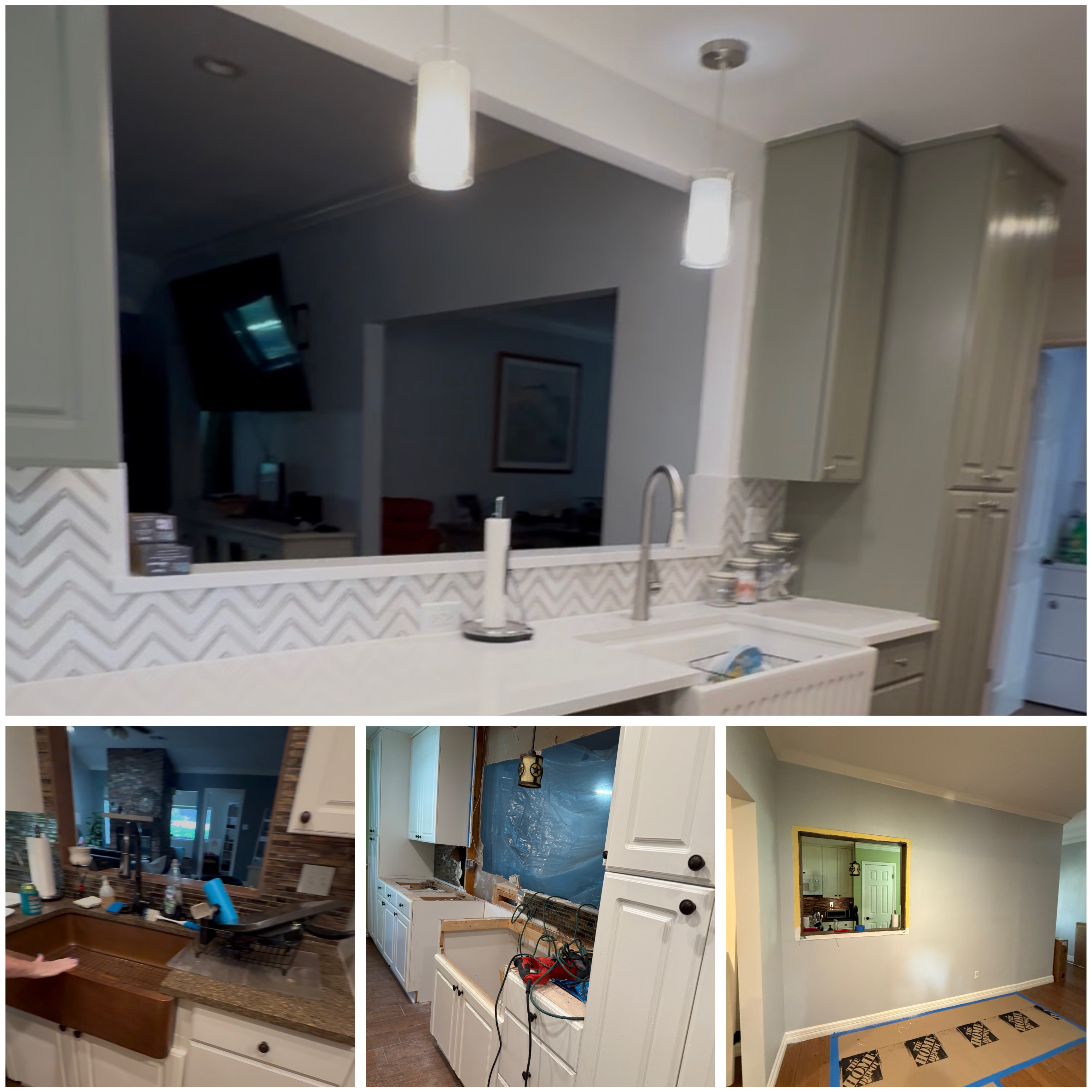
Cosmetic Refresh: Around $15,000
A cosmetic kitchen refresh may include:
Painting cabinets and walls
Patching damaged surfaces
Replacing cabinet knobs and pulls
Updating a faucet
Replacing a few light fixtures
Making minor finish improvements
This approach works best when the kitchen already functions well and the cabinets are still in good condition.
The biggest cost-saving decision is keeping the existing layout. When the sink, appliances, cabinets, plumbing, and electrical remain in place, you avoid many of the expenses associated with demolition and reconstruction.
Paint can make a tired kitchen look dramatically better, but it cannot correct a poor layout, damaged cabinets, or inadequate storage.
Mid-Range Remodel: Around $20,000 to $25,000
A mid-range remodel may include:
New countertops
A tile backsplash
Cabinet painting or refinishing
Updated hardware
New plumbing fixtures
Limited lighting improvements
The final cost depends heavily on material selections.
A standard backsplash and straightforward countertop installation will cost far less than premium stone, handmade tile, complicated patterns, or specialty edge details.
This is also where budgets tend to grow one upgrade at a time. A new countertop makes the old backsplash look dated. The new backsplash makes the lighting feel inadequate. Updated lighting makes the cabinets look tired.
Selections should be planned together instead of being added randomly during construction.
Full Kitchen Remodel: Around $40,000 to $70,000 or More
A full kitchen renovation may include:
New cabinets
New countertops and backsplash
Flooring replacement
Appliance relocation
Plumbing and electrical changes
New lighting
Wall removal
Structural framing
A new island or peninsula
Drywall, texture, paint, and trim repairs
Once plumbing, electrical, HVAC, or structural work enters the project, the budget can rise quickly.
Removing a wall is not simply a demolition expense. The project may require an engineered beam, framing, electrical relocation, flooring repairs, drywall work, new lighting, trim, and paint.
Moving a sink to an island may require opening the floor or concrete foundation to reroute water and drain lines.
The homeowner sees a more open kitchen. The contractor has to account for every system affected by creating it.
Why a $15,000 Idea Can Become a $65,000 Project
We recently evaluated a home where the owners wanted to remove a large wall separating the kitchen from the living room and add an island.
They originally expected the project to cost approximately $15,000.
The problem was that the stove was located against the wall they wanted removed. Moving the stove into the island would not have created a practical layout for the amount of cooking they do, so the better solution was to relocate it to another wall.
That change required much more than moving one appliance.
The project included:
Removing the dividing wall
Installing structural support
Relocating electrical service for the stove
Adding lighting near the new beam
Repairing or replacing flooring between the rooms
Completing framing, drywall, trim, and paint work
Constructing the new island and completing the surrounding finishes
The realistic estimate came closer to $60,000 to $65,000.
That gap was not caused by unnecessary luxury finishes. This is why our kitchen and bathroom remodeling support always starts with a full scope review, before anyone picks cabinets or countertops.
Where Homeowners Should Save
The easiest way to control kitchen remodeling costs is to avoid changing the layout unless the current one genuinely does not work.
Consider keeping:
The sink in its existing location
Major appliances on the same walls
Usable cabinet boxes
Existing flooring that is still in good condition
Plumbing and ventilation routes where they are
You can also reduce costs by choosing simpler tile, standard countertop edges, practical fixtures, and fewer custom details.
A kitchen does not need the most expensive materials available to look finished and intentional.
Where Homeowners Should Not Cut Corners
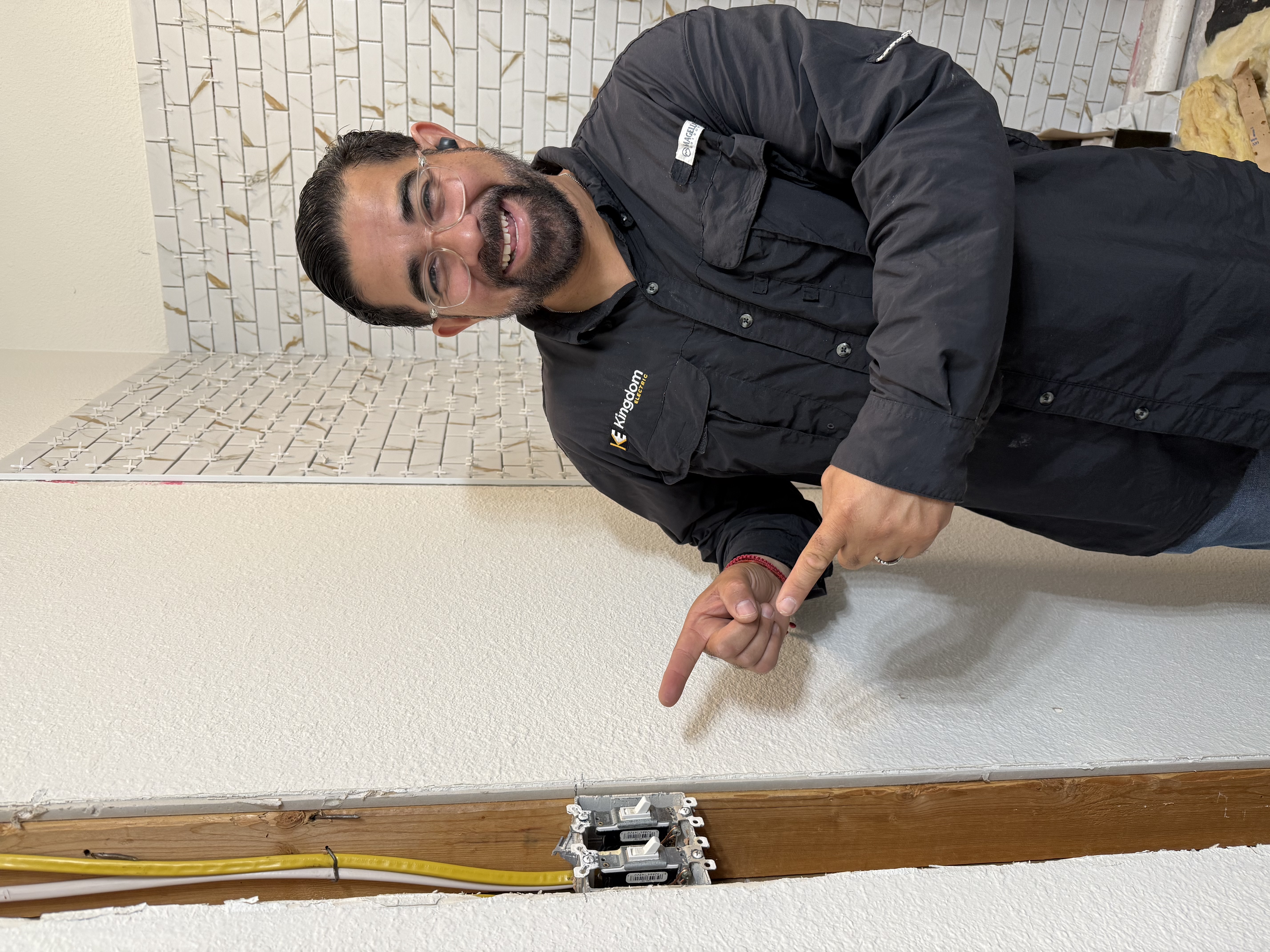
Homeowners frequently want to spend money on the features they can see while minimizing the cost of work hidden behind walls.
That is backward.
Electrical, plumbing, structural support, ventilation, and water-damage repairs may not be visually exciting, but they protect the entire investment.
Do not spend heavily on a statement backsplash while ignoring questionable wiring. Do not install expensive countertops over cabinets that are damaged or failing. Do not close the walls without evaluating aging plumbing that may need attention.
A simpler kitchen built on sound infrastructure is a better investment than a beautiful kitchen that may need to be torn apart later.
Depending on the project scope, specialized evaluations may be needed from trusted professionals such as Airtegrity Comfort Solutions,Kingdom Electric, and Tino’s Plumbing.
Do Not Make a Resale Kitchen Too Personal
Personal design choices are not automatically a waste of money, especially when you plan to enjoy the home for many years.
However, highly specific choices can become a problem when resale is part of the plan.
Bold cabinet colors, unusual tile, or removing useful storage because you dislike its appearance may narrow the kitchen’s appeal to future buyers.
Neutral does not have to mean boring. It means creating a design that feels intentional without requiring the next homeowner to immediately repaint or remodel it.
Leave Room for the Unexpected
Your project estimate should not equal the absolute maximum amount you can afford.
Demolition may uncover previous repairs, water damage, outdated wiring, plumbing concerns, or structural conditions that were not visible during the initial walkthrough.
Keep a separate contingency fund instead of committing every dollar to cabinets, countertops, and decorative selections.
For more guidance, read our related article: How Much Should I Budget for Unexpected Surprises During a Home Remodel?
So, How Much Should You Spend?
A realistic kitchen remodeling budget may look like this:
Approximately$15,000for cosmetic improvements
Approximately$20,000 to $25,000for countertops, backsplash, and moderate updates
Approximately$40,000 to $50,000for a straightforward full remodel
Approximately$60,000 to $70,000 or morefor structural changes, layout modifications, new cabinetry, and extensive trade work
For major home improvements, the kitchen and primary bathroom are usually the spaces worth prioritizing. As a broad planning guardrail, some homeowners may consider up to roughly 20% of the home’s value for substantial improvements across major spaces, but that should be treated as a ceiling, not a spending target for one kitchen.
The right budget begins with the actual scope, not a number pulled from a television show or a quick online estimate.
Before selecting finishes, determine what needs to move, what must be repaired, which systems should be evaluated, and what can remain in place.
That is how you avoid building a $15,000 budget around a $65,000 project.
Plan Your Kitchen Remodel With Blue Ribbon
Blue Ribbon Home Improvement Concierge helps homeowners in San Antonio and surrounding areas evaluate project scope, develop realistic priorities, and coordinate the professionals needed to complete the work properly.
Not sure what your kitchen project will really cost?
Before you get quotes, let us walk through your home and help you understand the true scope, so your budget matches the project. Your first consultation is free.
Download the free Homeowner Protection Checklist
📞 Prefer to talk now? Call Carla at (830) 271-5050