



I'm here to answer your questions and help you get started on turning your vision into reality.

Why Insurance Companies Are Tightening Rules on Older Roofs in Texas
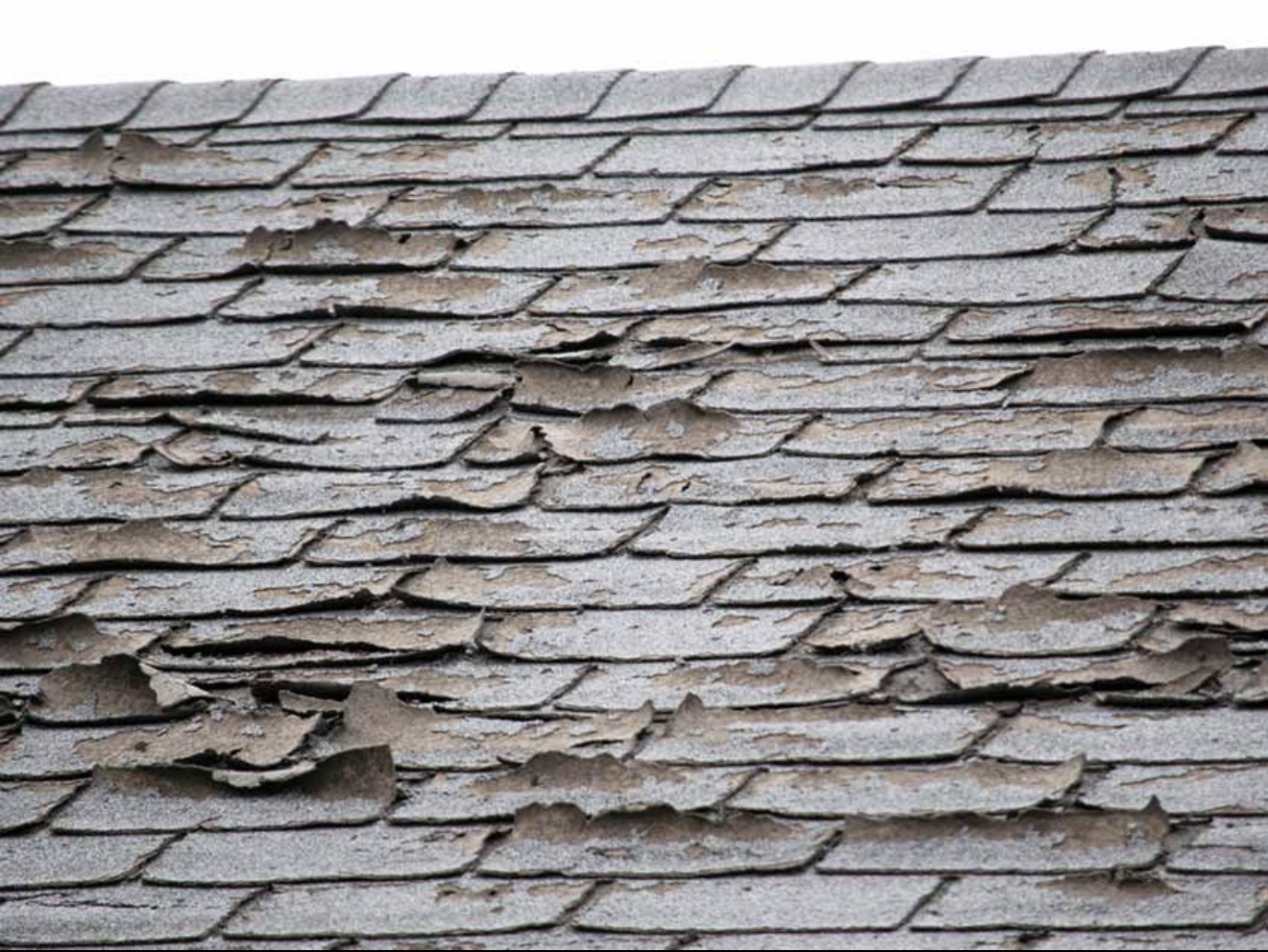
If you own a home in Texas and your roof is 10–12 years old or older, you may have noticed something frustrating:
higher insurance premiums, reduced coverage, or even difficulty getting insured at all.
You’re not imagining it, this is a growing trend across Texas, and it’s impacting homeowners, buyers, sellers, and real estate transactions statewide.
Let’s break down what’s happening, why it matters, and what you can do about it.
Why Roof Age Matters So Much in Texas
Texas is one of the highest-risk states in the country for:
Hail storms
High winds
Extreme heat
Severe weather events
From an insurance perspective, older roofs are more likely to fail during these events — and roof claims are one of the most expensive losses insurers face.
As a result, many insurance companies now treat roof age as a primary risk factor, not just overall home condition.
What Happens When a Roof Hits the 10–12 Year Mark?
There’s no single statewide rule, but many insurers follow similar internal guidelines.
Roofs Under 10 Years Old
Typically qualify for Replacement Cost Value (RCV) coverage
Lower premiums
Fewer underwriting issues
Roofs Around 10–15 Years Old
Premiums often increase
Coverage may shift from RCV to Actual Cash Value (ACV)
Insurers may require a roof inspection to renew or issue a policy
Roofs 15–20+ Years Old
Coverage restrictions become common
Some carriers will refuse to write or renew policies
Replacement may be required to maintain insurability
With ACV coverage, the insurer factors in depreciation — meaning you may receive far less money in a claim than what it actually costs to replace the roof.
Why Insurers Are Tightening Rules Now
Several factors are driving these changes:
Increased frequency and severity of hail storms
Rising construction and material costs
High claim payouts across Texas
Insurance companies limiting risk to stay profitable
Even homeowners with well-maintained roofs are being affected simply because of age.
How This Impacts Homeowners and Real Estate Transactions
Older roofs don’t just affect insurance — they affect home value and negotiations.
Buyers may struggle to obtain affordable insurance
Sellers may face repair requests or credits
Deals can be delayed or fall apart due to insurability issues
Homeowners may be forced into roof replacements earlier than expected
This is becoming especially common during home sales and policy renewals.
What Homeowners Can Do Right Now
The good news? You still have options.
✔ Get a Professional Roof Inspection
Some insurers will consider current condition, not just age. A documented inspection can help support coverage decisions. Call Blue Ribbon Home Improvement Concierge, LLC and ask about our Home Wellness Program
✔ Review Your Insurance Policy
Look for:
ACV vs. RCV roof coverage
Roof age endorsements or exclusions
Special deductibles for wind or hail
The Texas Department of Insurance also offers consumer guidance on understanding policy terms.
✔ Work With an Independent Insurance Agent
Independent agents can shop multiple carriers, some are more flexible with older roofs than others.
✔ Plan Ahead
Even if your roof isn’t failing, budgeting and planning for replacement can prevent coverage gaps and premium spikes later.
The Bottom Line
In Texas, roofs older than 10–12 years are increasingly triggering:
Higher insurance premiums
Reduced claim payouts
Coverage limitations or non-renewals
This isn’t about scare tactics, it’s about being proactive and informed so you’re not caught off guard.
Understanding your roof’s condition and your insurance coverage now can save you thousands later.
Want Help Understanding Your Roof or Insurance Risk?
A proactive roof assessment can help homeowners:
Understand insurance implications
Plan repairs or replacements strategically
Avoid surprises during renewals or home sales
People also ask:
Will insurance cover a 20 year old roof in Texas?
In Texas, insurance may cover a 20-year-old roof, but coverage is often limited and highly conditional. Many insurers will either switch the roof to Actual Cash Value (ACV) coverage, meaning depreciation reduces claim payouts or require a roof inspection to confirm its condition. Some carriers may refuse to issue or renew a policy altogether unless the roof is replaced, especially in hail-prone areas. Coverage decisions vary by insurer, but at this age, homeowners should expect higher premiums, reduced payouts, or replacement requirements to maintain insurability.
Why Won't insurance insure a 20 year old roof?
Insurance companies are often reluctant to insure a 20-year-old roof because it poses a much higher risk of failure, especially in states like Texas with frequent hail, wind, and extreme heat. As roofs age, materials deteriorate, making them more likely to suffer damage during storms and generate costly claims. From an insurer’s standpoint, older roofs also make it harder to distinguish between normal wear and sudden storm damage, increasing claim disputes and payouts. To manage risk and control losses, many insurers limit coverage, reduce payouts through depreciation, or require roof replacement before offering or renewing a policy.
How old may a roof be before insurance claims it's too old?
There’s no single statewide rule in Texas, but many insurance companies begin to consider a roof “too old” between 15 and 20 years, depending on the material, condition, and local storm risk. Around 10–15 years, insurers often reduce coverage or switch the roof from replacement cost to Actual Cash Value (ACV). Once a roof reaches 15–20+ years, some carriers may deny new policies, refuse renewal, or require replacement before providing coverage. Ultimately, each insurer sets its own limits, but age combined with weather exposure is the deciding factor.

Our Service Areas
We proudly serve residential and commercial clients across multiple regions, in San Antonio and Surrounding Areas. We look forward to serving you.

Boerne, TX
Stone Oak, TX
Helotes, TX
Cibolo / Schertz, TX
Bulverde, TX
Alamo Heights, TX
New Braunfels, TX
Comfort, TX
Waterford Heights, TX
The Dominion
STILL NOT SURE?
Frequently Asked Questions
We’re here to answer your most common questions about our repair and contracting services.
Question 1: What types of repair services do you offer?
Blue Ribbon Home Improvement Concierge offers a wide range of personalized, high-quality services designed to simplify and elevate every step of a homeowner’s renovation or restoration journey. Core services include:
🛠️ General Home Renovation & Remodeling
Kitchen & bathroom remodels
Full interior updates and layout reconfigurations
Aging-in-place modifications
Custom carpentry and built-ins
💧 Water Damage Restoration (IICRC Certified)
Emergency water extraction
Structural drying & dehumidification
Mold remediation & prevention
Insurance coordination & documentation
🎨 Design + Build Concierge
Interior design consultation & space planning
Material and finish selections
Seamless coordination from design concept to completed construction
Visual renderings or mood boards upon request
🧰 Maintenance & Repair Coordination
Project management for handyman services
Plumbing, electrical, HVAC, landscaping referrals & oversight
Home inspections and post-disaster evaluations
Annual home check-ups and preventative maintenance planning
🧑💼 Premium Client Advocacy
Permitting & HOA coordination
Licensed trade vetting and contractor oversight
Budgeting guidance and value engineering
Timeline and quality control management
Question 2: What sets Blue Ribbon Home Improvement Concierge apart from construction companies?
Blue Ribbon Home Improvement Concierge delivers a true “white-glove” experience by managing every detail for the homeowner—coordinating vendors, schedules, and communications—while its IICRC-certified expertise in water damage restoration ensures rapid, compliant mitigation and long-term structural protection. Guided by an interior-design background, the team unites aesthetics with craftsmanship, seamlessly translating design intent into high-quality builds. Clients benefit from a caring, family-oriented approach led by Carla Pastor, along with a hand-picked network of licensed, insured tradespeople whose proven reliability guarantees accountability and premium results from concept to completion.
Question 3: Does Blue Ribbon Home Improvement Concierge offer free inspections?
Blue Ribbon offers complimentary assessments for many of our construction and home maintenance services. When you enroll in one of our Home Wellness Programs, you’ll receive one, two, or four scheduled inspections. Contact us today to book your free assessment.
With years of experience, we turn complex building challenges into seamless solutions tailored to your project goals.
Menu
Links
Address
© 2026. Blue Ribbon Home Improvement Concierge. All Rights Reserved.