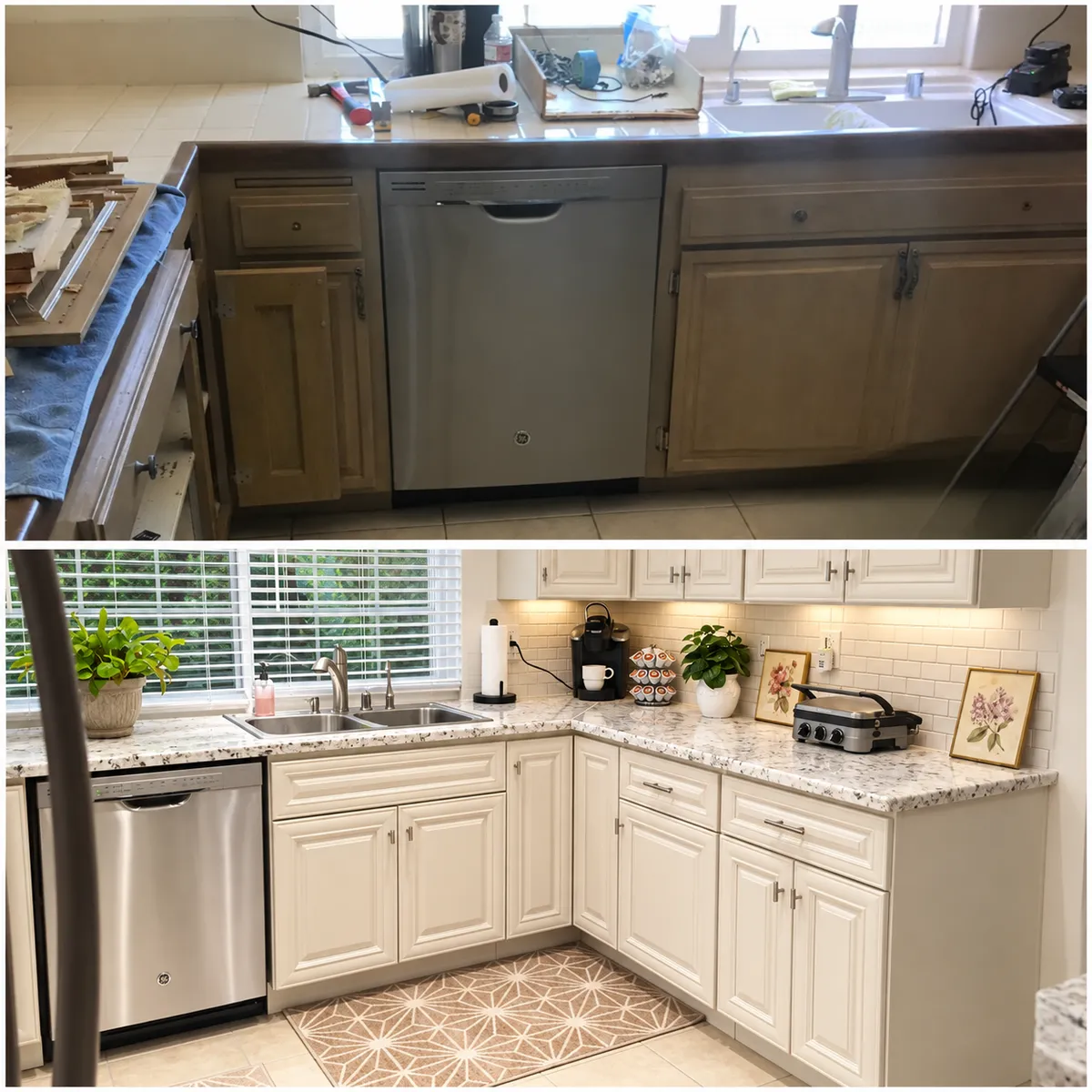
Can You Live in Your House During a Kitchen Remodel?
Yes, during some kitchen remodels. The better question is whether you should.
For a simple cosmetic update, staying home is usually manageable. For a full renovation involving demolition, plumbing, electrical work, moving appliances or removing walls, temporarily relocating, at least for the hardest weeks, is often the safer and far less stressful choice.
Here's how to decide.
When Staying Home Usually Works
If the project is mostly cosmetic, most households can live through it. That includes:
Painting cabinets or walls
Replacing cabinet hardware
Installing a new backsplash
Updating light fixtures
Replacing a faucet
Minor surface repairs
Your kitchen may be inconvenient for a few days at a time, but it keeps working.
When You Should Plan to Move Out
We usually recommend relocating when the remodel involves:
Removing walls
Replacing all the cabinets
Moving the sink, stove or other appliances
Opening floors or concrete for plumbing
Rewiring parts of the kitchen
Extensive demolition
Weeks without a usable kitchen
Ask yourself one question:will your home still provide the basic functions your household needs?
Without a working sink, stove, refrigerator or safe place to prepare food, the house may be technically livable, but that doesn't make living there reasonable.
You May Not Need to Leave for the Whole Project
A full remodel happens in phases, and they aren't equally disruptive. Many families only need to be away for the roughest stretch:
Phase | What's happening | How livable is it? |
|---|---|---|
Demolition | Cabinets, counters and sometimes walls removed | Hardest: dust, noise, debris, no kitchen |
Rough-in | Plumbing and electrical rerouted, inspections | Very disruptive: water or power may be shut off |
Walls and cabinets | Drywall, paint, cabinet installation | Messy but more manageable |
Countertops and finishes | Templating, countertops, backsplash, fixtures | Often livable with a temporary kitchen |
Ask your contractor which weeks will be the most disruptive, and plan your time away around those.
The Biggest Misconception: "We Can Handle the Noise"
Most homeowners expect noise and dust. The noise is rarely the hardest part.
The real strain is losing basic infrastructure.
Washing a few dishes in the bathroom sink seems fine at first. A few nights of takeout even feels like a break. Then week two arrives. You're brushing your teeth next to soaking dishes. You can't fill a large pot. Every coffee, school lunch and family dinner takes more planning than it should.
By week three, it's no longer a novelty. It's exhausting.
What I Learned Remodeling a Kitchen While the Family Lived In It
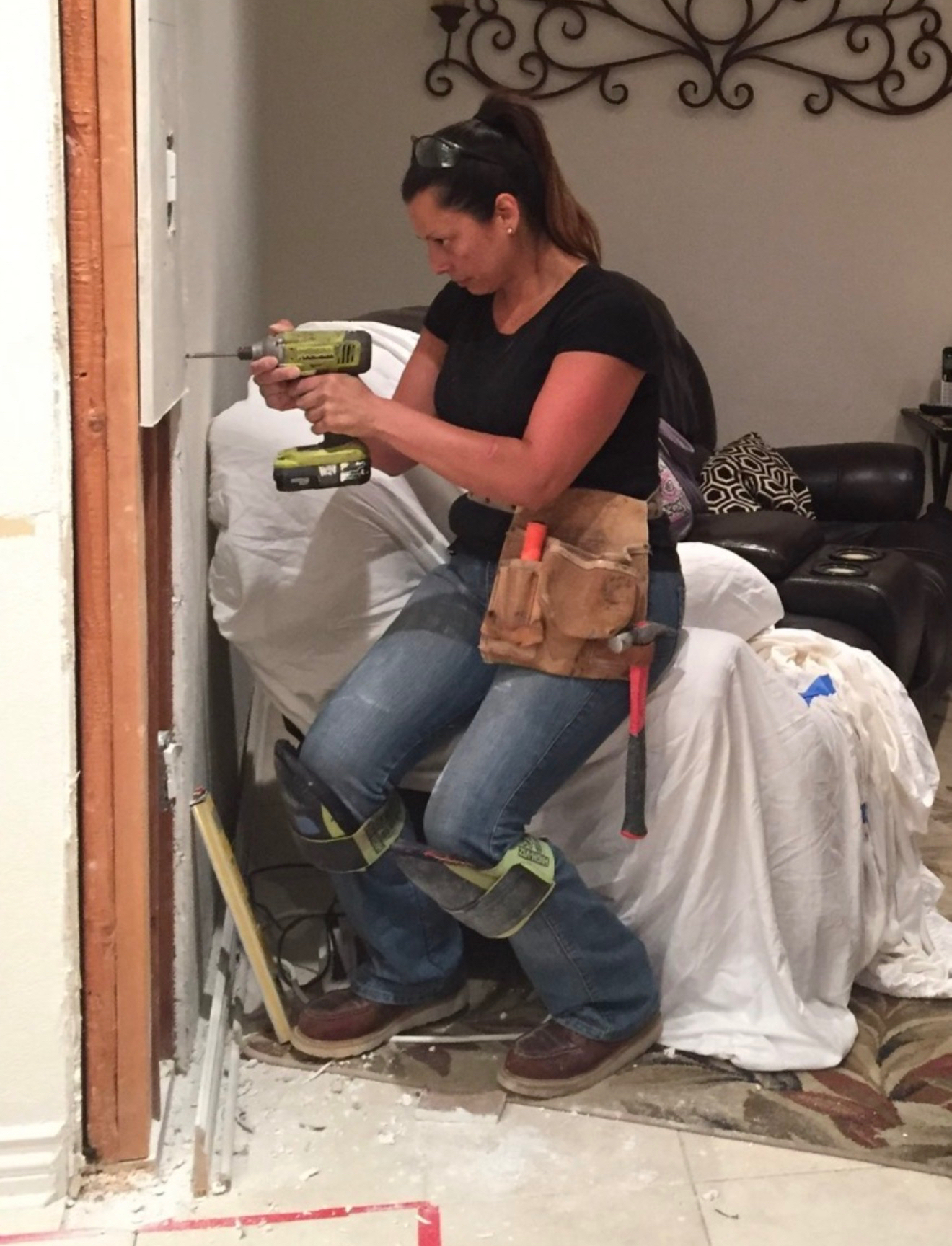
When I first started my company, a family member asked me to remodel their kitchen. They'd been quoted around $40,000 elsewhere, which was out of their budget, and to be honest, they weren't sure I could handle a project that size. I found that a little funny, since I'd already done plenty of remodels by then.
We started with the 21 cabinets they had already purchased. I assembled all of them in one day. Once they saw that, they asked me to demolish the kitchen, and I finished that the next day.
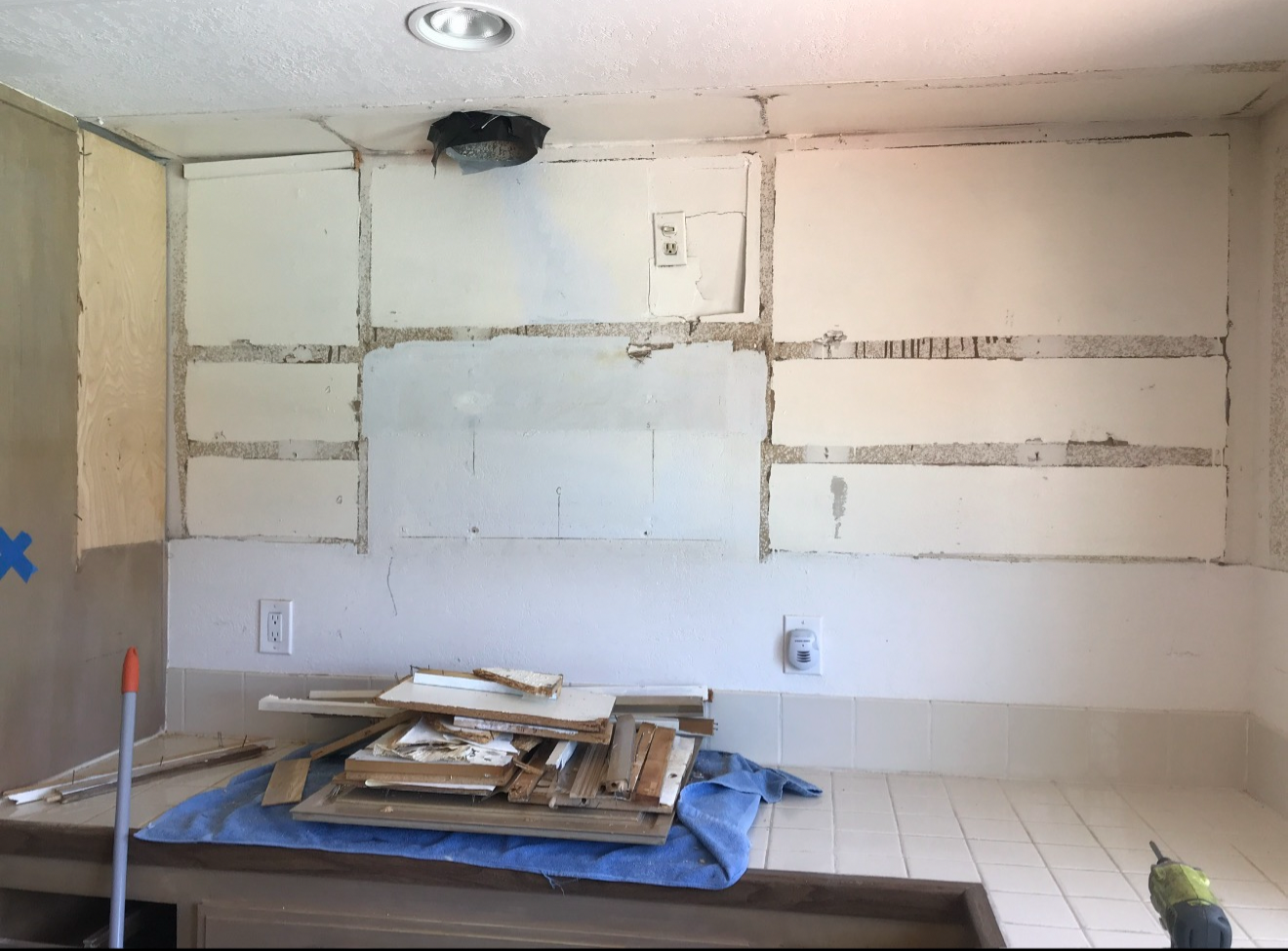
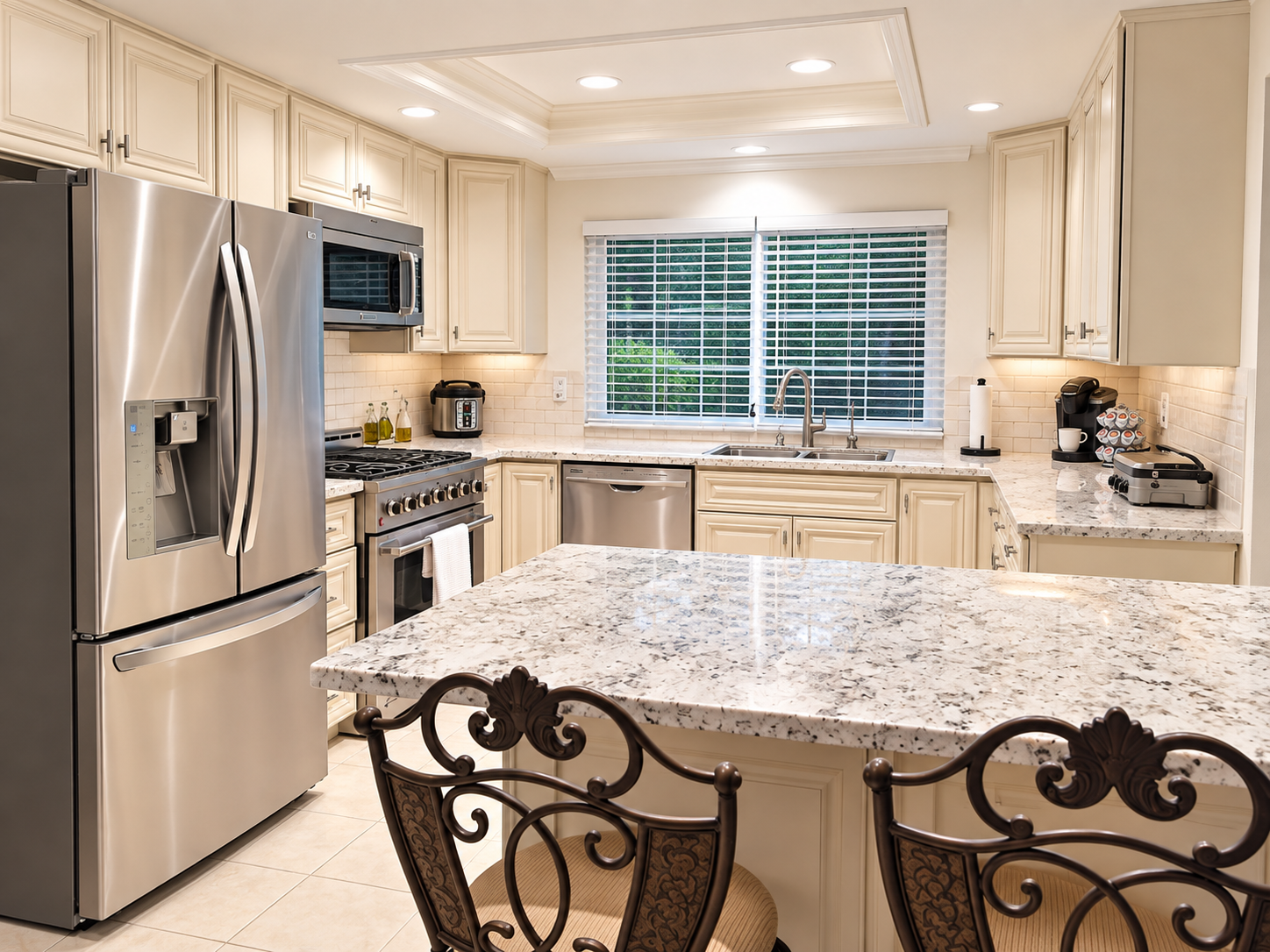
From there, we took the project one day at a time, and two weeks later they had their kitchen back, with new cabinets, granite countertops, a new backsplash and a kitchen that finally felt like theirs.
The finished kitchen was beautiful. But my family members lived in the house the entire time, and when we looked back, we all agreed on what we'd do differently:
Plan the whole project before the first cabinet goes up, not one day at a time.
Have every material on site before work starts, so no one is waiting on deliveries with the kitchen torn apart.
Don't stay in the house during the heavy work. Two weeks of dust, noise and no kitchen was harder on everyone than any of us expected.
That project only ran that way because it was family. Today, every Blue Ribbon project starts with the planning that one was missing.
Could a Temporary Kitchen Make Staying Possible?
Sometimes, if your home has the right supporting spaces. A workable setup might include:
A refrigerator or mini fridge in the garage
A microwave and small counter space away from the work area
A deep laundry or utility sink for dishes
An outdoor grill or outdoor kitchen
Disposable plates and utensils
A separate entrance that keeps the family away from construction
Be honest about how you live. A temporary kitchen can work well for one or two adults who are out most of the day and happy with simple meals. It rarely works for a family that cooks several times a day, packs lunches or entertains often.
Families With Young Children Should Think Twice
When a family with young children tells us, "We'll just push through," our advice is direct: find somewhere else to stay during the most disruptive phases.
Construction zones fascinate children. They want to see the tools, look behind the wall and watch the work. That curiosity is normal, and it's dangerous around demolition, sharp materials, cords and active trade work.
And children get hungry on their schedule, not the project's. They don't care that the sink is disconnected or the microwave is buried behind supplies.
A hotel, short-term rental or stay with family may feel like an extra expense, but for families with little ones it protects both safety and sanity.
Don't Forget Your Pets
Pets should be kept completely out of the work area. Unfamiliar workers, loud noise, open doors and changing routines stress even calm animals, and an open door is an easy escape route.
Options include a secure room far from the work, daycare or boarding on active workdays, a temporary stay with friends or family, or bringing them with you if you relocate.
A Clean Jobsite Isn't a Normal Home
A professional crew should protect your home and clean up regularly. But even a well-run project can mean:
Rooms you can't use
Water or power shut off for periods of time
Materials stored inside the house
Workers arriving throughout the day
Dust despite containment
Paint and adhesive smells
Changes to entrances and parking
A project can be well managed and uncomfortable to live through. Both are true.
Quick Self-Check: Should You Stay or Go?
Answer these honestly:
How often do we cook?
Do we need the kitchen for school lunches or special diets?
Where will we wash dishes and store food?
Can we stay completely separated from the work zone?
Do we have young children or pets?
Does anyone work from home?
How well do we handle noise and people coming in and out?
What will we do if the project runs longer than planned?
Don't answer as your most optimistic self. Answer as your household on a stressful Tuesday evening, when everyone is tired and hungry.
Plan for Delays
Even well-planned schedules shift when demolition reveals hidden plumbing, electrical, structural or water-damage problems. Keep your relocation plans flexible, and set aside a contingency fund for the unexpected. Here's how much to budget for surprises during a remodel.
The Right Team Makes It More Livable
A kitchen remodel involves several trades, and how well they communicate affects how long your home is disrupted.
We work with Miguel Prieto of Kingdom Electric for electrical work, and Tino Gutierrez of Tino's Plumbing for plumbing and fixture relocation.
Electrical and plumbing aren't side details. They often decide whether the new layout works, and how long your kitchen stays out of commission. Keeping those trades communicating and on schedule is a big part of our kitchen and bathroom remodeling support.
So, Should You Stay?
For a small cosmetic remodel, staying home is usually fine.
For a full remodel, it depends on whether you can safely live without a working kitchen and stay completely separated from the work zone. Adults with a good temporary setup can often manage. Families with young children, pets, limited space or busy cooking routines are usually better off relocating, at least for demolition and rough-in.
Don't stay just to prove you can. There is no prize for surviving three weeks of chaos while washing dishes beside your toothbrush.
People Also Ask
How long will I be without a kitchen during a remodel?
It depends on the scope. A cosmetic update may cause only brief interruptions, while a full remodel can leave you without a working kitchen for several weeks or more. Ask your contractor for a phase-by-phase schedule.
Is it safe to live in a house during a kitchen remodel?
Often yes for adults, with the work area sealed off. It's harder with young children or pets because of tools, debris, dust and open work areas.
How do I set up a temporary kitchen?
Use a spare room or garage with a refrigerator, microwave, small appliances, a deep sink for dishes and disposable tableware. An outdoor grill helps too.
How much does a kitchen remodel cost in San Antonio?
It depends mostly on how much of the layout changes. See our guide: How much should you really spend on a kitchen remodel?
Planning a Kitchen Remodel? Know What to Expect Before Work Begins.
We'll walk through your home, map out the scope and help you plan which weeks you'll need to be away, so there are no surprises. Your first consultation is free.
Not ready yet?
→ Download the free Homeowner Protection Checklist
📞 Prefer to talk now? Call Carla at (830) 271-5050